Researching a collection for an estate or insurance
← Previous · Guide home · Topic index · Download PDF · Next →
An estate valuation requires evidence that can be revisited. This item record illustrates the details to preserve.
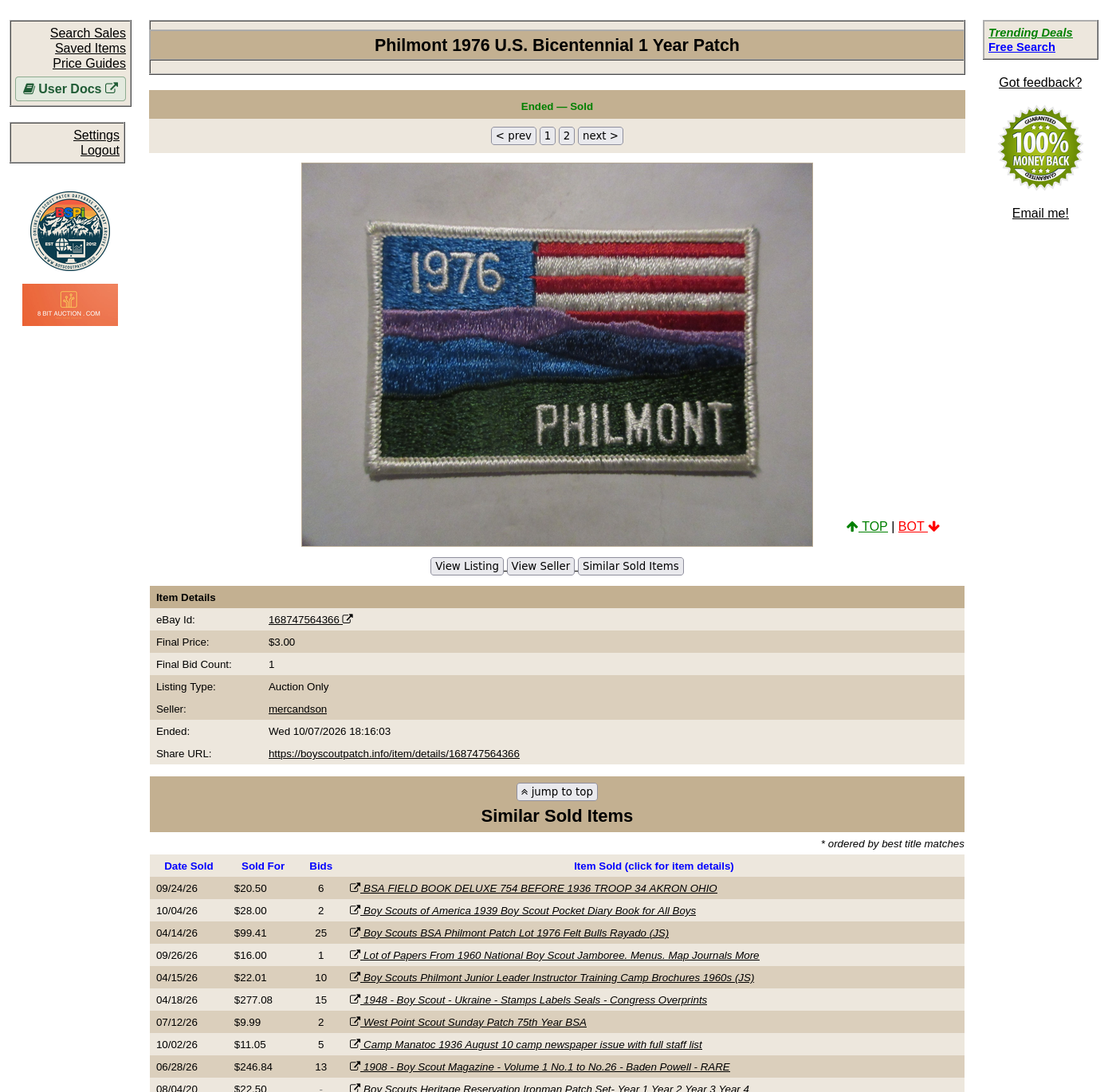
An item page records the sale price, bid count, seller, date, and photographs. Keep links to the closest matching records as evidence, and note where comparisons are uncertain.
Continue below for step-by-step instructions and examples ↓
You need an organized, evidence-based picture of a collection, possibly for a consequential decision.
A practical starting workflow
- Create an inventory with photographs, identifying details, and condition notes.
- Research genuinely comparable historical sales for representative items.
- Record the dates and circumstances of comparisons.
- Mark items with uncertain identification or too few comparables.
- For formal estate, tax, or insurance purposes, consult a qualified appraiser about required valuation standards.
Interpreting the evidence
Use comparable historical sales rather than treating one record as a definitive current valuation. Check item identity, condition, sale date, and whether the record covers a lot or a single item.
For more precise comparisons, consult search fields and filters. OCR may help discover poorly titled records, but OCR matches require visual verification.
Historical sales are evidence for comparison, not a certified appraisal.
An evidence trail for each item
For each potentially significant item, retain its identifying description, condition notes, photographs, and links to the closest historical sales. Exact item IDs help you retrieve the same record later. Document why a comparison is appropriate—and why other superficially similar records were excluded.
Distinguish observed historical sale prices from any formal valuation standard required by the estate, insurer, or taxing authority. BSPi is a research aid, not a substitute for a qualified appraisal when one is required.